The permanent exhibition
Faroe Islands National Museum

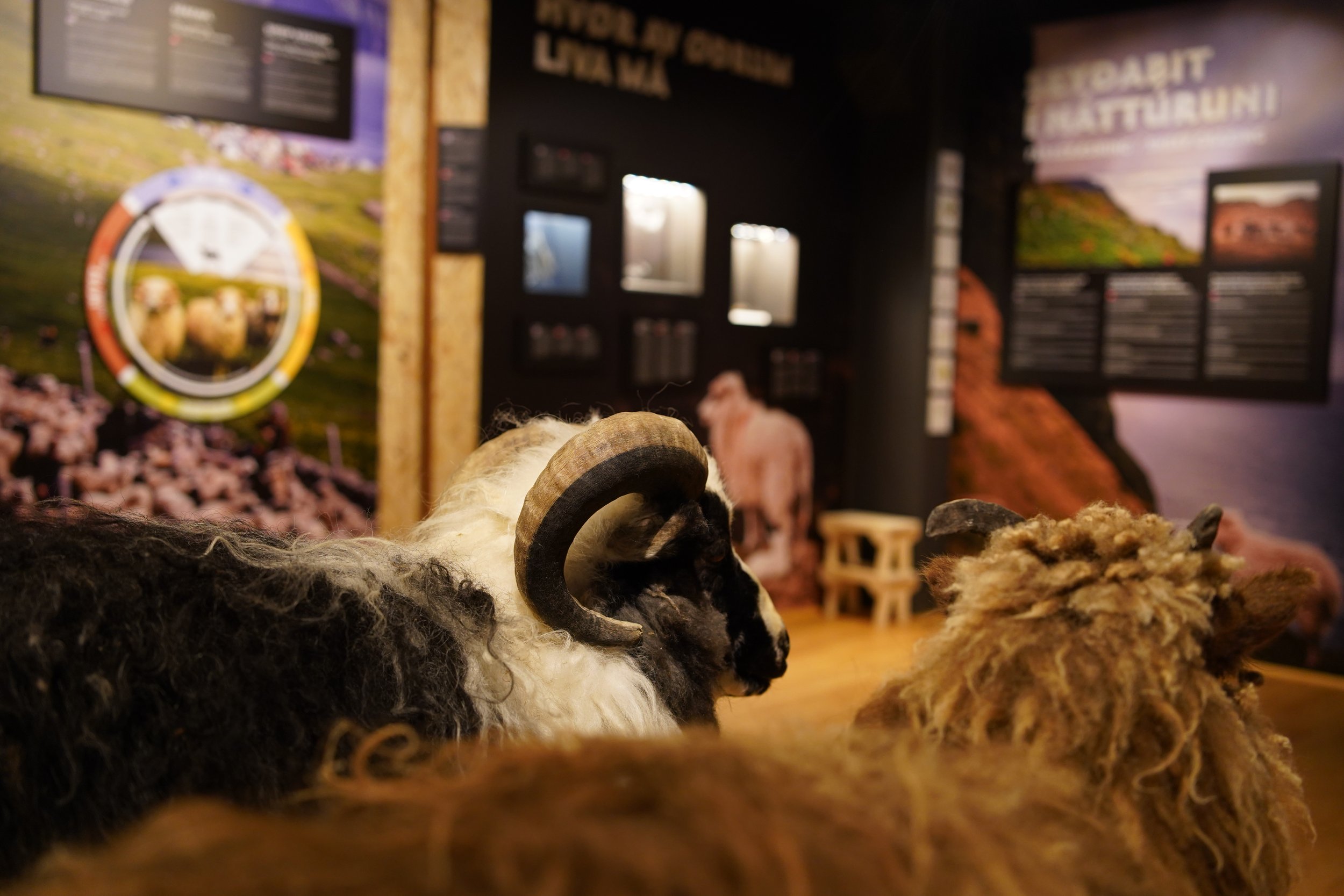
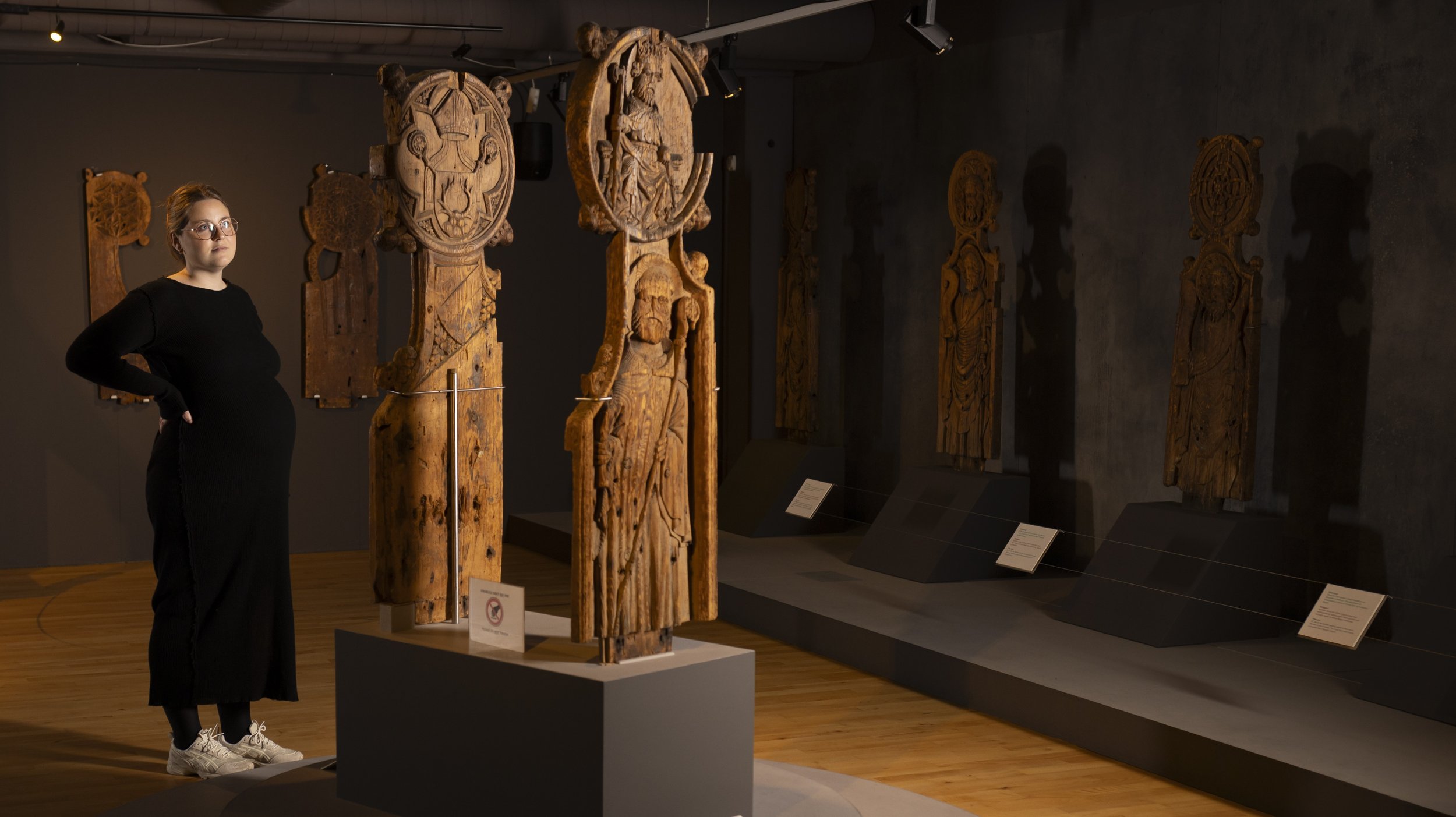
A comprehensive presentation of the natural and cultural history of the Faroe Islands including topics such as geology, botany, marine zoology, zoology, archaeology, folklore, and recent history.
The exhibition highlights the most important and fundamental aspects of our shared heritage that we should cherish and preserve: the natural and cultural legacy of our country. Natural history and cultural history are intertwined throughout the exhibits.
Nothing in nature is static, and nothing in culture is stationary. Nature influences culture, and culture influences nature. With new knowledge and scientific discoveries continually emerging, the exhibition is an ever-evolving process.
Practical information
Here you will find frequently asked questions, practical information and other resources to help you plan your visit to the museum.
Do you have questions you didn't find an answer to?
Write us an e-mail at savn@savn or call us on +298 340 500
-
You can visit the National Museum during the following times:
Summer (1st May to 30th September): Open daily from Monday to Sunday, 10 AM to 5 PM.
Winter (1st October to 30th April): Open from Thursday to Sunday, 1 PM to 5 PM.
-
To reach the National Museum of the Faroe Islands:
Address:
The museum is located at Brekkutún 6, Tórshavn.
By Public Transportation:
Take the number 1 or 3 bus to the stop closest to the National Museum.
The bus stop is within a short walking distance from the museum.
GPS Coordinates:
For precise navigation, use the following GPS coordinates: 62.031993,-6.7648849
-
The National Museum has several parking spaces outside the building, clearly marked with museum signs, including one designated spot for handicap parking.
Parking is free.
-
There is no restaurant at the National Museum.
You are welcome to bring your own lunch and enjoy it in a designated area. "Glasstovan" is a room designed for enjoying food and drinks, offering a beautiful view. If the weather is nice, you can also sit outside on our terrace.
You can purchase coffee, tea, and cocoa from our coffee machine, and snacks are available at the gift shop.
-
You can bring bags and other items in to the museum. Large bags (e.g. hiking backpacks), however, can not be brought into the exhibition. In the hallway is a free, lockable wardrobe that you can use during your visit.
Bigger classes of students are asked to leave their school bags and other items in the hallway during the visit.
-
Yes, to secure a tour, it is necessary to book in advance. Please contact Tórarinn á Rípuni / +298 790 554 or email savn@savn.fo to arrange your preferred tour.
-
Mothers are welcome to nurse wherever they are comfortable within the building.
-
Yes, you can. The National Museum also has two buggies, which you are welcome to borrow while you visit.
There is also changing table in the bathroom.
-
Yes. You can tour the entire collection in a wheelchair. The museum is on two floors, so it is necessary to use an elevator to get to the lower floor.
It is also possible to borrow a wheelchair or a walker. To secure access to either a wheelchair or a walker, write an email to savn@savn.fo and book your desired aid before your visit.
-
Guidedogs are welcome to the National Museum.
-
No animals are allowed in to the National Museum, with the exemption of guide dogs.
-
We offer a ticket discount for students and seniors.
You might be eligible for free entrance if you have one of the following:
An ICOM card or any other museum card showing that you work in a museum
A press card, if you're here on press matters
A tour guide card
A companion card
Furthermore, we offer free entrance to any schools or kindergartens visiting for educational purposes, as well as scouts.
Please note that you must show your card to the museum staff upon arrival to receive your discount or free entrance.
-
Yes. Our Wi-Fi network is named "Tjóðsavnið." Connect to it using the code "tjodsavnid" for free access.
-
Yes, both photos and videos are permitted at the open-air museum.
When taking photos, please follow these guidelines:
Photos and videos should be for private use only (e.g., holiday photos, personal social media, etc.).
Flash photography is not allowed.
Please avoid disturbing other guests while taking pictures or filming.
Follow any additional guidelines provided by museum staff.
For commercial use of images or footage, please contact Rannvá Winkler / +298 790 575 to discuss licensing arrangements.

THE GIFT SHOP
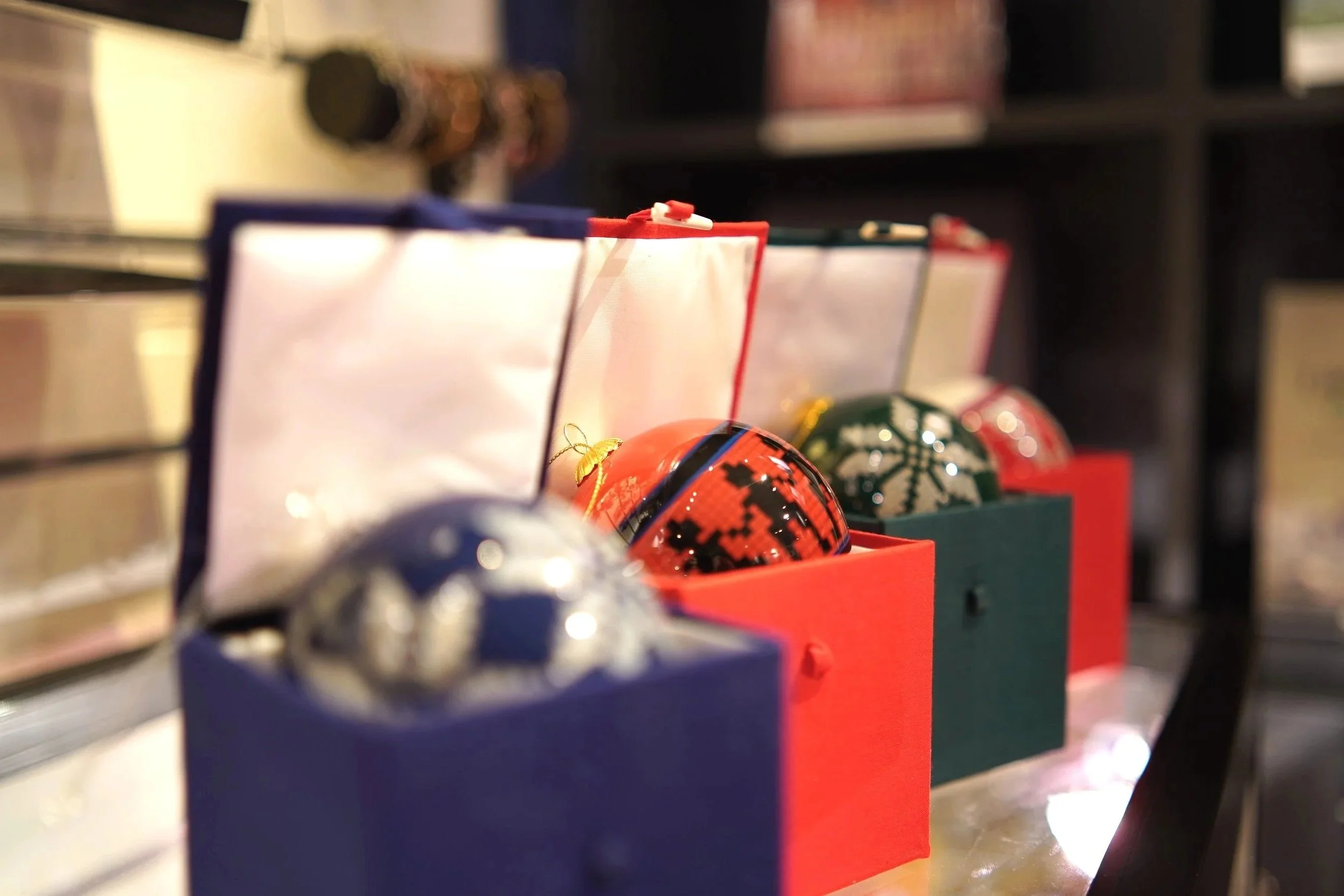
The National Museum has an exciting gift shop with a selection that reflects our exhibitions and activities.
In addition to the items commonly seen in most museum shops, we offer a variety of specially made products exclusive to our gift shop. Here, you can find unique ornaments, thoughtful gifts, sheepskin products, books, and posters, as well as charming small items for both children and adults.
The shop is open whenever the exhibition is open, so don’t miss the chance to take home a special memento of your visit.
Hoyvíksgarður
The open air museum
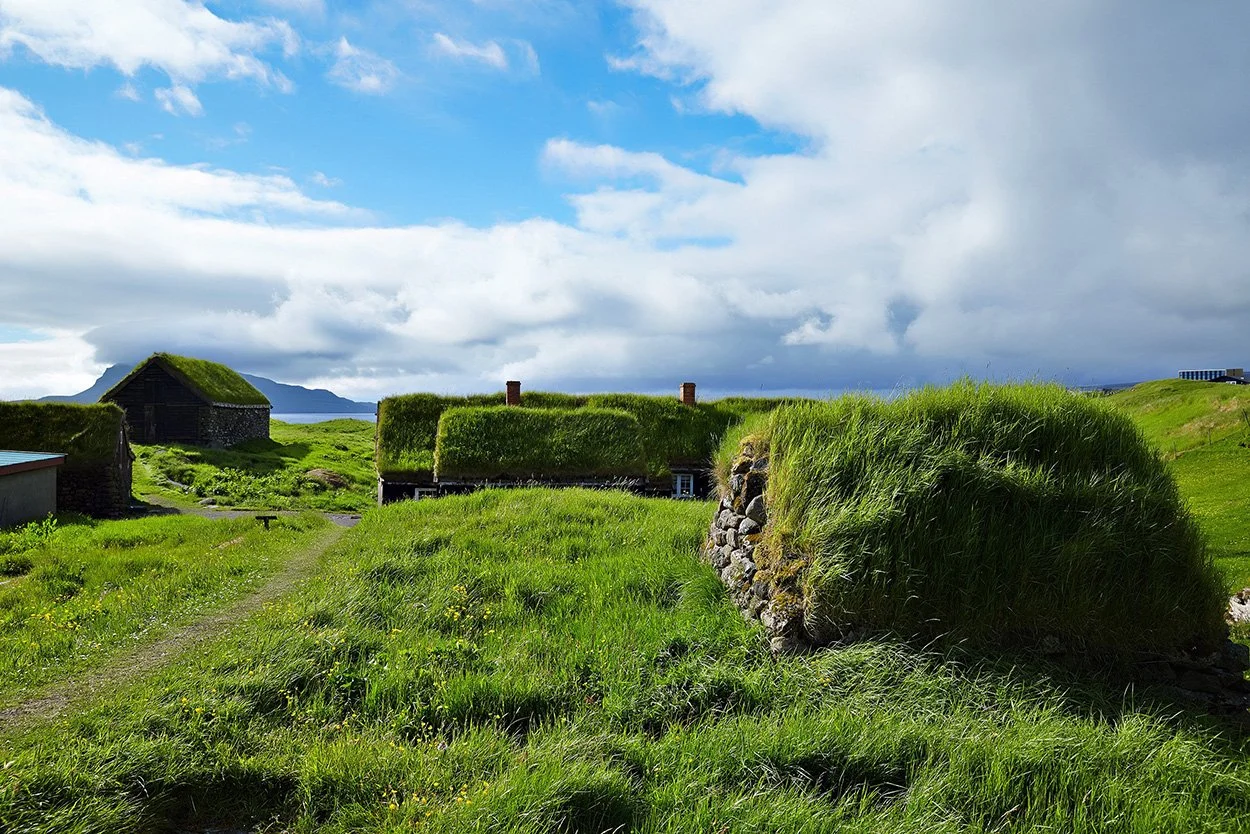
Hoyvíksgarður is located in beautiful surroundings just outside the city centre of Tórshavn. Here, you can experience an authentic Faroese farm with a farmhouse and several accompanying outbuildings, such as a barn, a smithy, and a potato house, to name a few.
Built in 1812, this over 200-year-old farmhouse radiates charm and a nostalgic atmosphere. Today, the main house has been staged to resemble a household from the 1920s.
Step back in time and immerse yourself in the daily life of the past and imagine the stories of those who lived and worked here. This Open-Air Museum offers a unique glimpse into Faroese history, making it a must-visit destination for history enthusiasts and curious travelers alike.
Practical information
Here you will find frequently asked questions, practical information and other resources to help you plan your visit to the Open-Air Museum.
Do you have questions you didn't find an answer?
Write us an e-mail at savn@savn or call us on +298 340 500
-
You can visit the Open-Air Museum during the following times:
Summer (1st May to 30th September): Open daily from Monday to Sunday, 10 AM to 5 PM.
Winter (1st October to 30th April): The Open-Air Museum is closed during winter.
-
To reach the Open-Air Museum:
Address:
The museum is located at Kúrdalsvegur 15, 188 Hoyvík.
By Public Transportation:
Take the number 3 bus to the stop closest to the open air museum.
The bus stop is within a short walking distance from the open air museum.
GPS Coordinates:
For precise navigation, use the following GPS coordinates: 62.0292779,-6.7587313
-
The Open-Air Museum has limited parking available. If possible, we recommend walking from nearby locations.
Parking is free.
-
There is no restaurant or coffee machine at the Open-Air Museum.
You are welcome to bring your own lunch and enjoy it in the beautiful garden on the museum grounds.
-
Yes, we have a no-shoes policy for entering the main farmhouse. We also offer plastic shoe covers as an alternative.
-
Yes, to secure a tour, it is necessary to book in advance. Please contact Tórarinn á Rípuni / +298 790 554 or email savn@savn.fo to arrange your preferred tour.
-
We offer a ticket discount for students and seniors.
You might be eligible for free entrance if you have one of the following:
An ICOM card or any other museum card showing that you work in a museum
A press card, if you're here on press matters
A tour guide card
A companion card
Furthermore, we offer free entrance to any schools or kindergartens visiting for educational purposes, as well as scouts.
Please note that you must show your card to the museum staff upon arrival to receive your discount or free entrance.
-
You may bring a stroller or buggy to use outside the farmhouse. However, please note that due to limited space and accessibility, strollers and buggies cannot be brought inside the farmhouse.
-
No, the Open-Air Museum has limited accessibility due to its historical and architectural design. Unfortunately, wheelchairs cannot access the main farmhouse or most of the surrounding buildings.
-
Guide dogs are welcome at the Open-Air Museum.
Please bring clean boots for your dog when entering the main farmhouse, as we have a no-shoes policy.
-
No animals are allowed in the main farmhouse at the Open-Air Museum, except for guide dogs.
-
Yes. Our Wi-Fi network is named "Tjóðsavnið." Connect to it using the code "tjodsavnid" for free access.
-
Yes, both photos and videos are permitted at the Open-Air Museum.
When taking photos, please follow these guidelines:
Photos and videos should be for private use only (e.g., holiday photos, personal social media, etc.).
Flash photography is not allowed.
Please avoid disturbing other guests while taking pictures or filming.
Follow any additional guidelines provided by museum staff.
For commercial use of images or footage, please contact Rannvá Winkler / +298 790 575 to discuss licensing arrangements.
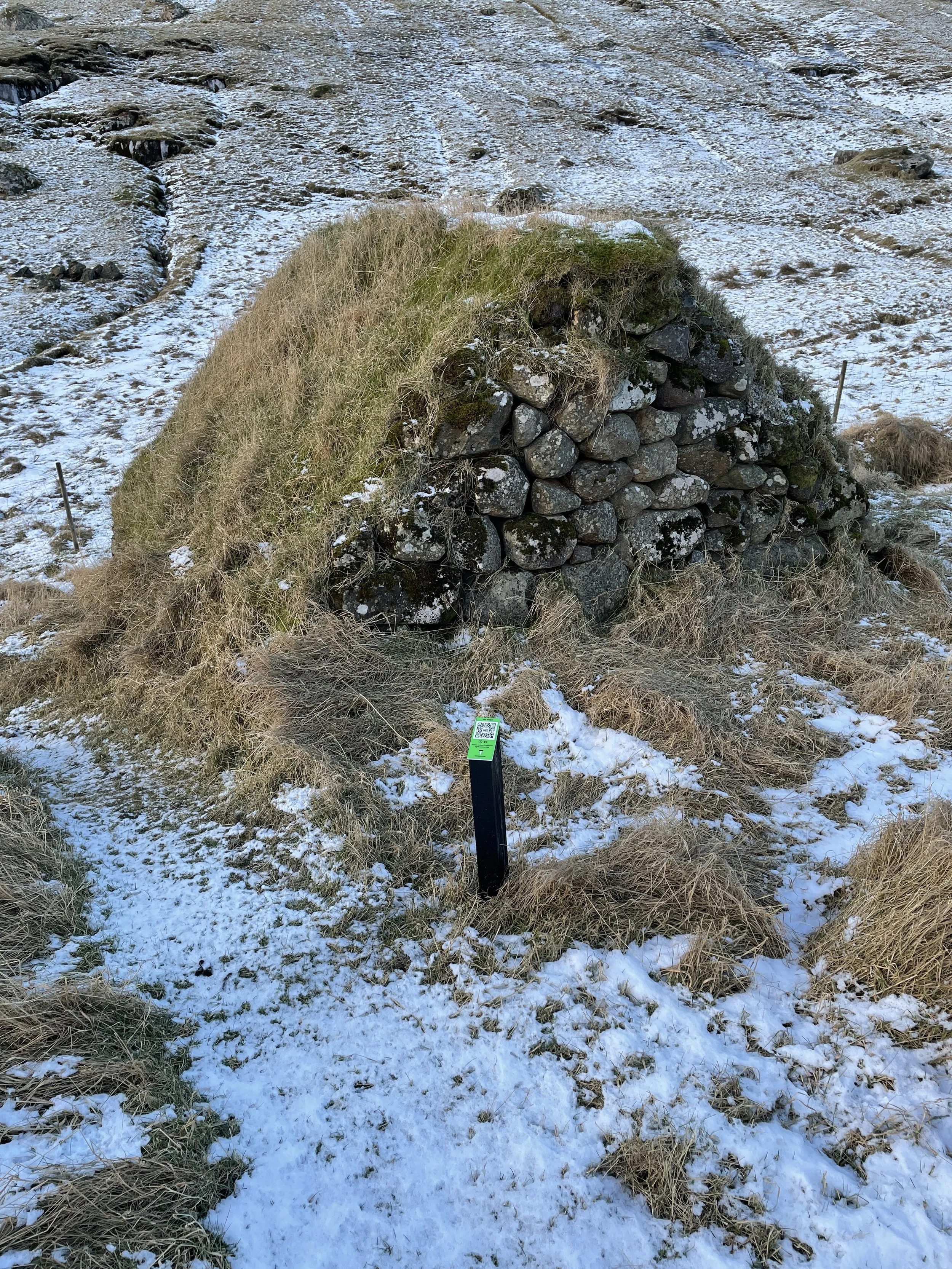
Tour the site with QR codes
You can now listen to the stories of Hoyvíksgarð with your smartphone. Get free Wi-Fi from the Open-air Museum and start the tour.
QR codes have been placed along the walkway, starting from the sign at the top of the road and continuing through the farm's outbuildings. There are 13 QR codes in total, each accompanied by images, text, and audio.
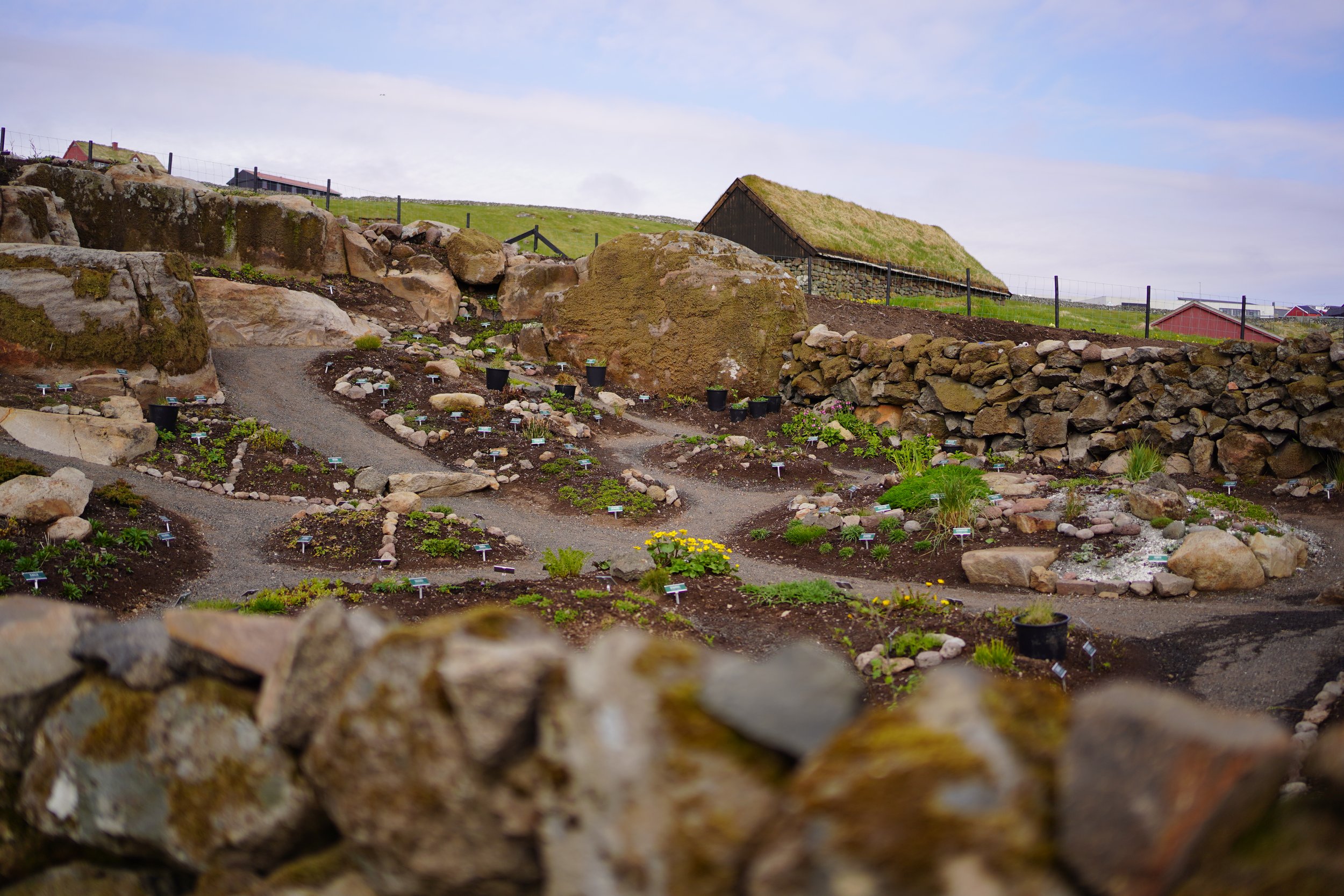
Visit the botanical garden
Since the renowned Swedish naturalist Carl von Linné (1707–1778) developed the scientific naming system for species and personally named a variety of animals and plants, gardens featuring named plants have been established around the world.
The purpose of displaying plants to the public and schools has remained consistent: to showcase the life-giving diversity of plants. Additionally, in recent years, a second objective has gained importance: preserving the diverse heritage of nature in protected garden environments, as many species are increasingly disappearing from their natural habitats.
The botanical garden is open year-round, and admission is free.
The whaling station við Áir
An industrial heritage

The Whaling station at Áir is the only remaining whaling station of the seven whaling stations that were established in the Faroe Islands around 1900. It is also the only whaling station of Norwegian origin that is still standing in the Northern Hemisphere.
The station is an example of one of the earliest industrial enterprises in the Faroe Islands. The station was part of a global Norwegian whaling industry that came to the Faroe Islands around the turn of the twentieth century.
Only three of the 214 whaling stations that once operated along the shores of the world’s oceans are still standing. Most of these stations were Norwegian. One of the three remaining stations is in Albany, Australia, another is in South Georgia in the Southern Ocean, and the third is here at Áir.
In 1958, the Áir whaling station ceased operating as an industrial plant producing whale oil and dry fodder for export, as well as supplying whale meat to ships and households in the Faroe Islands. However, some activity continued at the station during the 1960s and 1970s, and the last whale was processed at the plant in the early 1980s. Commercial whaling was at this time increasingly restricted and eventually banned through international agreements.
The Áir whaling station is of great historical value, not only to the local area of Sundalagið, where there were three whaling stations, but to the Faroe Islands as a whole. Whaling played an important role in Faroese society until around 1960, both economically and culturally, as well as providing an important source of employment.
Since spring 2010, the Faroe Islands National Museum has been working at the station, documenting the site, collecting and preserving tools and equipment, registering objects and buildings, and carrying out conservation and repair work on the buildings.
The whaling station opened to the public in 2019. It is open during the summer and at other times by appointment.
Practical information
Here you will find frequently asked questions, practical information and other resources to help you plan your visit to the Whaling Station við Áir.
Do you have a question you didn't find an answer? Write us an e-mail at savn@savn or call us on +298 340 500
-
You can visit the Whaling Station við Áir during the following times:
From mid June to mid August Open from Saturday to Sunday, 10 AM to 5 PM.
-
To reach the Whaling Station við Áir, follow these steps:
To reach the Whaling Station við Áir from Tórshavn:
Start by heading north on road 10 out of Tórshavn.
Continue on road 10 for approximately 23 kilometers.
The whaling station will be located on your left.
Public Transportation:
Take the number 300 bus from Tórshavn towards Klaksvík.
Ask the busdriver to make a stop at the whaling station.
From there it is a short walk downhill to the station.
GPS Coordinates:
For precise navigation, use the following GPS coordinates: 62.1730047,-6.9720783
-
You can take the number 300 bus from Tórshavn towards Klaksvík. Ask the busdriver to make a stop at the whaling station/við Áir.
From there it is a short walk downhill to the station.
Check out the bus route to find your nearest bus stop.
-
The Whaling Station has convenient parking available right outside the reception area, which is located at the bottom of the road.
Parking is free.
-
There is no restaurant at the Whaling Station.
You are welcome to bring your own lunch and enjoy it in the designated area at the reception. If the weather is nice, you can also sit outside and enjoy the view.
Coffee, tea, and snacks are available for purchase at the reception.
-
Yes, guided tours are available three times a day during opening hours at 11 AM, 1 PM, and 3 PM. The tour costs 30 DKK per person and can be purchased on site.
To book a tour outside of opening hours, please arrange it in advance. Contact Tórarinn á Rípuni / +298 790 554 or email savn@savn.fo to schedule your tour.
You can check prices for guided tours here.
-
No, the Whaling Station is a site dedicated to industrial heritage and displays the remnants of the Faroese whaling industry. Please note that there are no live whale sightings at the Whaling Station, as it focuses on preserving and presenting historical elements of the whaling industry.
-
You may bring a stroller or buggy to use outside the Whaling Station. However, please note that due to limited space and accessibility, strollers and buggies cannot be brought inside the buildings of the Whaling Station.
-
No, the Whaling Station has limited accessibility due to its historical and architectural design. Unfortunately, wheelchairs cannot access most of the buildings and surrounding areas of the Whaling Station.
-
Guidedogs are welcome to the Whaling Station.
-
No animals are allowed inside the buildings of the Whaling Station, with the exemption of guide dogs.
-
We offer a ticket discount for students and seniors.
You might be eligible for free entrance if you have one of the following:
An ICOM card or any other museum card showing that you work in a museum
A press card, if you're here on press matters
A tour guide card
A companion card
Furthermore, we offer free entrance to any schools or kindergartens visiting for educational purposes, as well as scouts.
Please note that you must show your card to the museum staff upon arrival to receive your discount or free entrance.
-
Unfortunately, there is currently no Wi-Fi available at the Whaling Station.
-
Yes, it is allowed to take both photos and videos at the Whaling Station.
When taking photos, remember these guidelines:
Photos and videos should be for private use only (e.g. holiday photos, photos for your personal social media, etc.)
No flash allowed when taking photos.
Do not disturb other guests when taking pictures or filming.
You must follow the guidelines from the museum staff.
Pictures and films taken for commercial use may be licensed by agreement with Rannvá Winkler / +298 790 575
Guided tours every weekend
Explore the rich history of the Whaling Station with our guided tours, available every weekend at 11 am, 1 pm, and 3 pm.
Tours are offered every weekend, giving an insightful look into the significance of this historic site and the impact of whaling on the Faroe Islands. Each tour lasts approximately 45-60 minutes and is available for a fee of 30 DKK per person. Tours can be purchased on site.
Join us to gain a deeper understanding of this unique aspect of our maritime heritage.

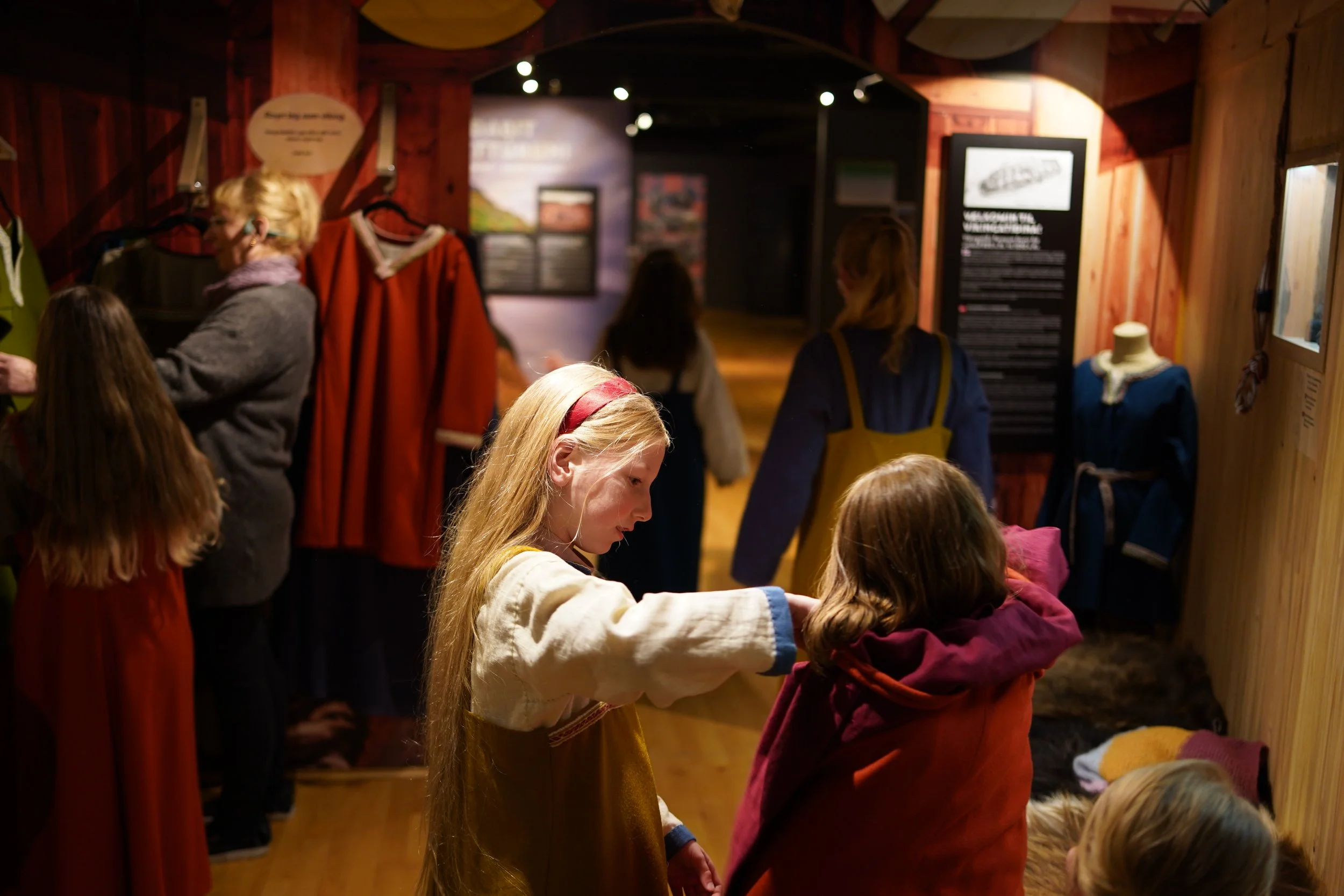
The PErmanent exhibition
1st of May to 30th of September
monday - sunday
10AM - 5PM
1st of October to 30th of April
thursday - sunday
1PM - 5PM
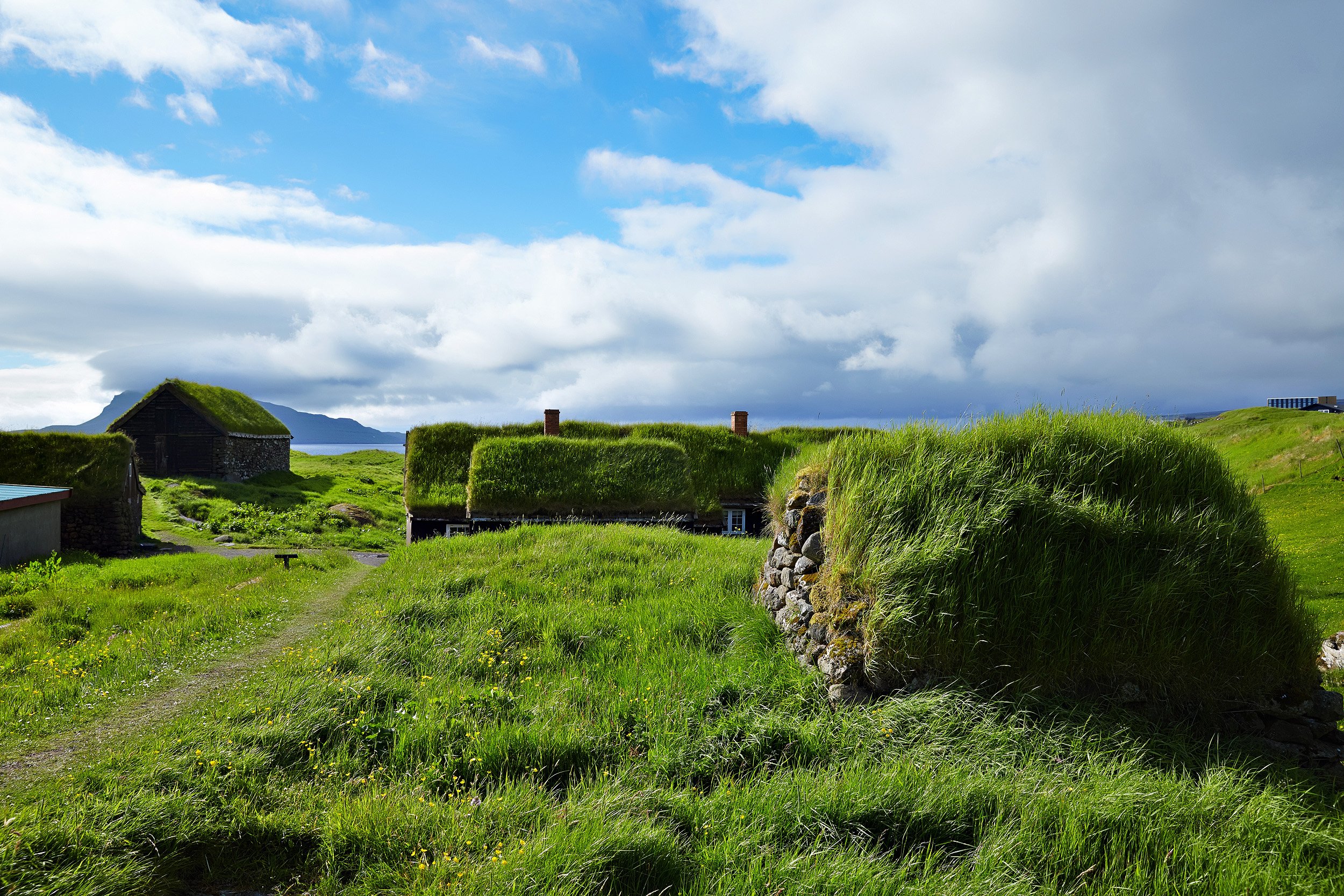
The Open air museum
1st of May to 30th of September
monday - sunday
10AM - 5PM
Closed during winter
The Whaling Station við Áir
27th of June to 9th of August
Saturday - sunday
10AM - 5PM
Closed during winter
admission fees & GUIDED TOURS
Admission fees
Your ticket grants you access to all three museums (permanent, Open-air, and Whaling Station) during the opening season. The ticket is valid for one week and can be used once per museum, giving you time and flexibility to explore and enjoy the sites at your own pace.
Adults: 90 DKK
Children (up to 17 years old): Free
Students: 60 DKK
Seniors: 60 DKK
Groups (10+ people): 60 DKK per person
Guided tours
Guided tours at the museums must be booked in advance. You can book a guided tour for the following locations: the Permanent Exhibition, the Open-air Museum, and the Whaling Station við Áir.
Weekday Guided Tour: 800 DKK
Weekend Guided Tour: 1600 DKK
Guided Tours Outside Regular Opening Hours: Additional 600 DKK fee
To book your tour, please contact us in advance to ensure availability and make arrangements. You can reach us at savn@savn.fo or +298 340 500.
Please note that the Whaling Station við Áir offers guided tours three times a day during opening hours for 30 DKK.