
FAROE ECOSYSTEM MONITORING (FEM)
FEM is the adaptive, ecosystem-based monitoring campaign of Faroe Islands National Museum to document terrestrial and freshwater biodiversity in the Faroe Islands over time and identify drivers of ecological change.
FEM was developed based on the Circumpolar Biodiversity Monitoring Program (CBMP) framework to coordinate and standardize long-term monitoring in the Arctic and Sub-Arctic.
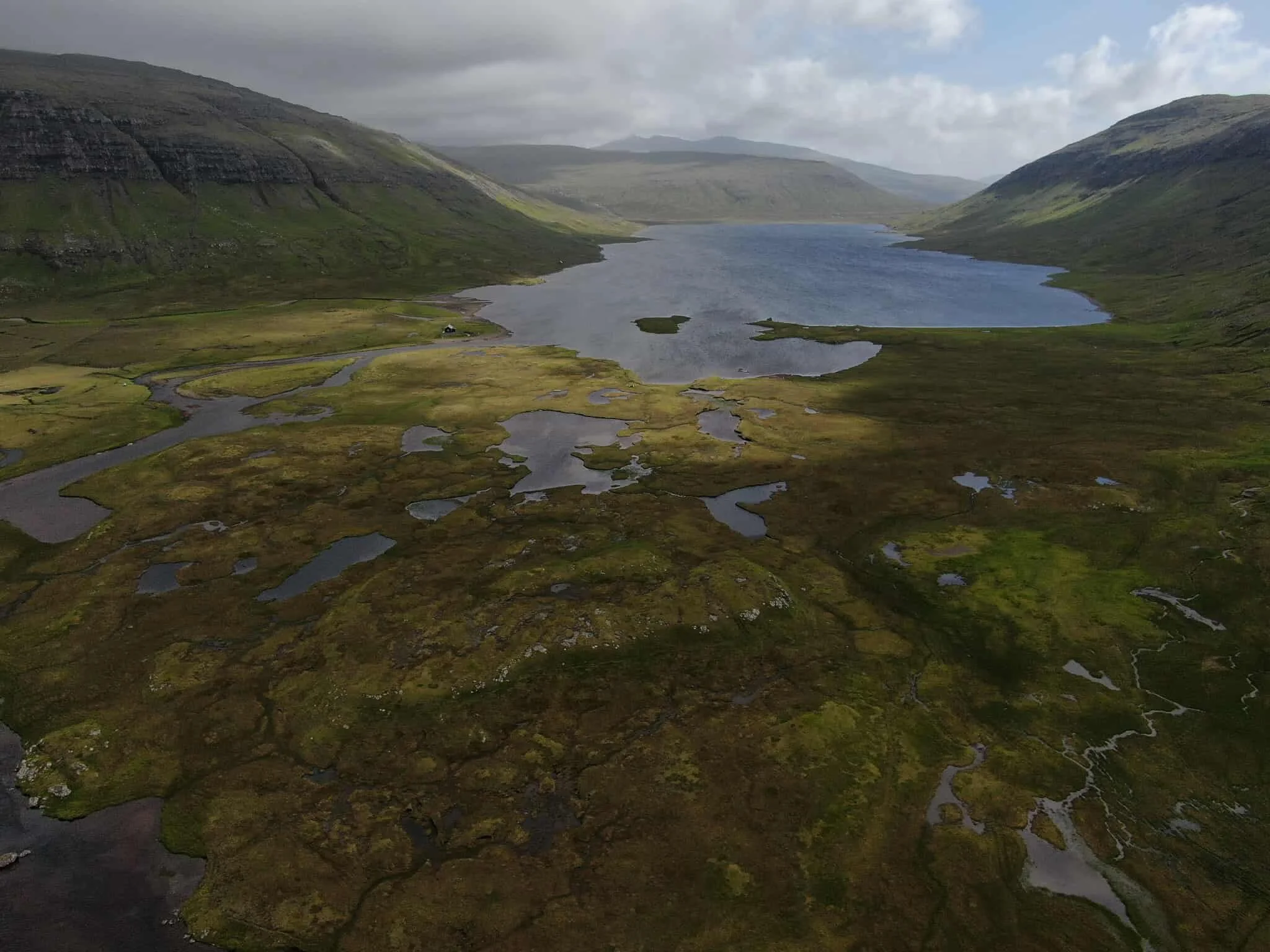
Focus of monitoring
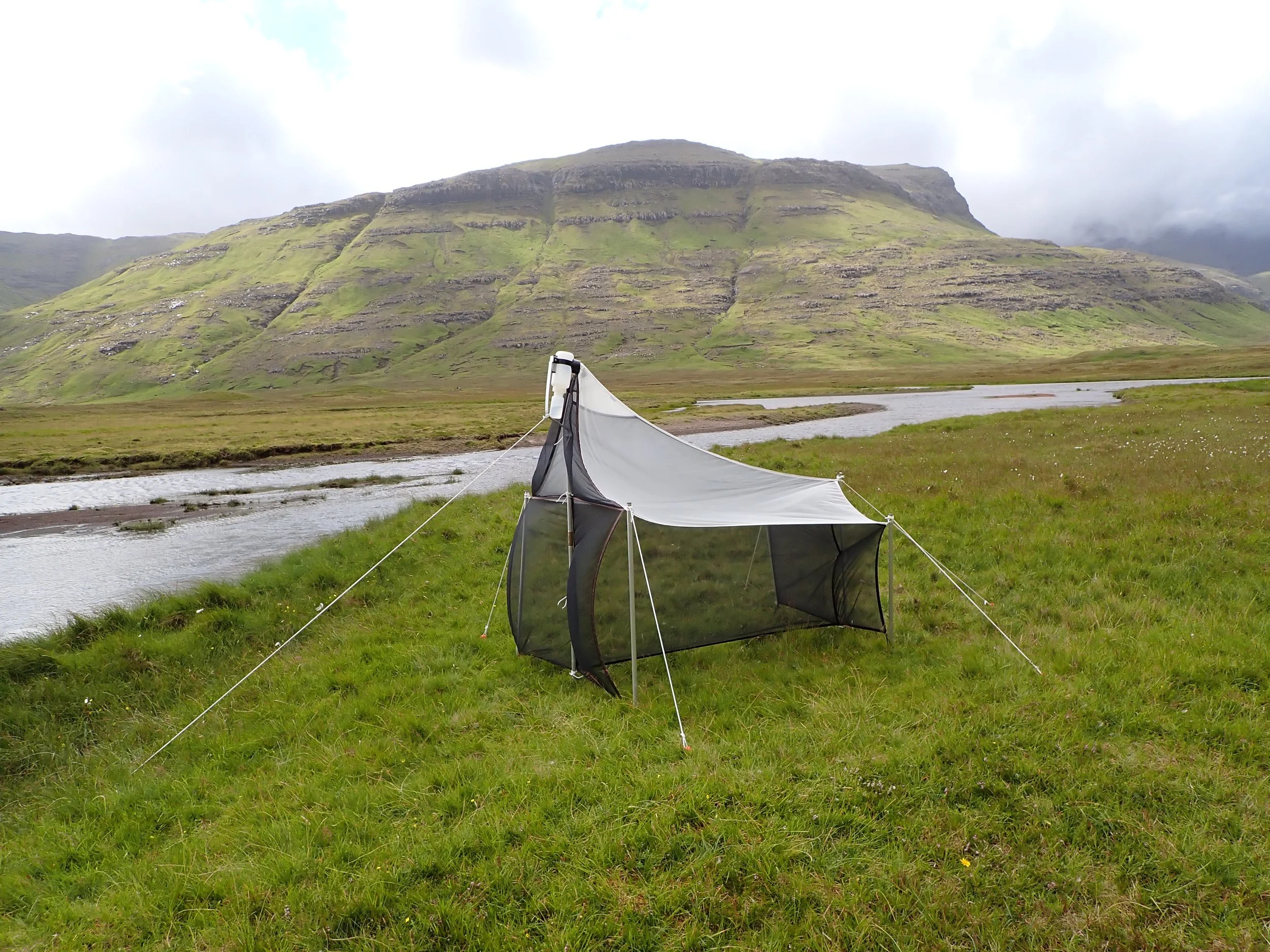
Arthropods, vegetation and abiotic parameters
Sites with historical and contemporary data and sites with rare/threatened species and habitats
Impact of main stressors in the Faroes: grazing, expansion of industry and urban areas, climate change, invasive species, fertilization
TERRESTRIAL MONITORING
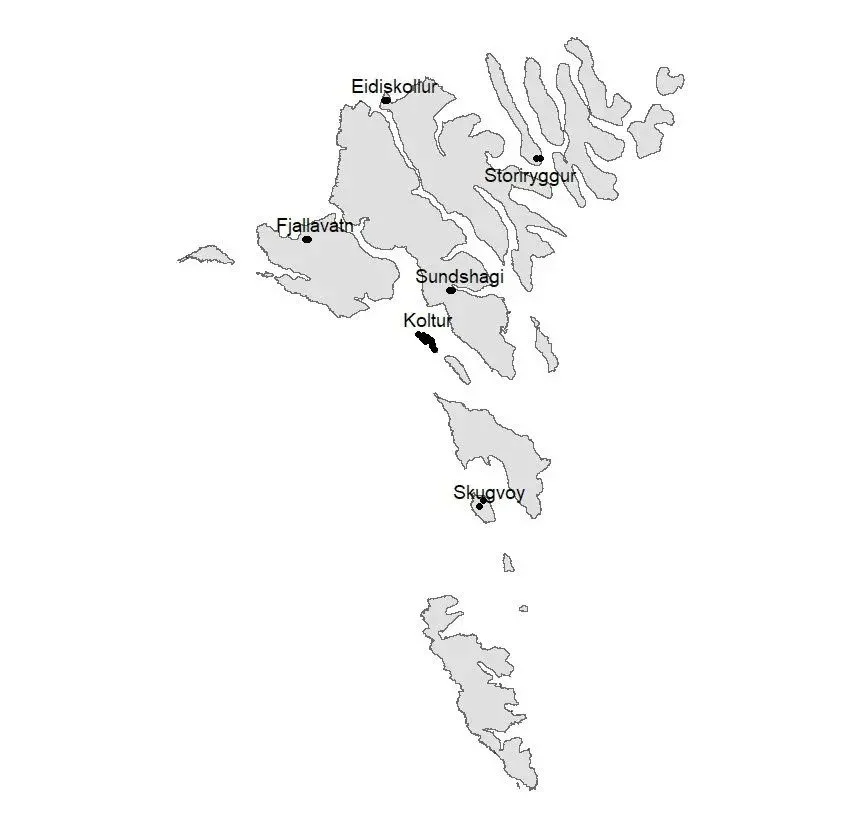
Six terrestrial sites with a total of 20 monitoring plots
Koltur
Sundshagi (Streymoy)
Eiðiskollur (Eysturoy)
Fjallavatn (Vágar)
Skúgvoy
Stóriryggur (Kalsoy)
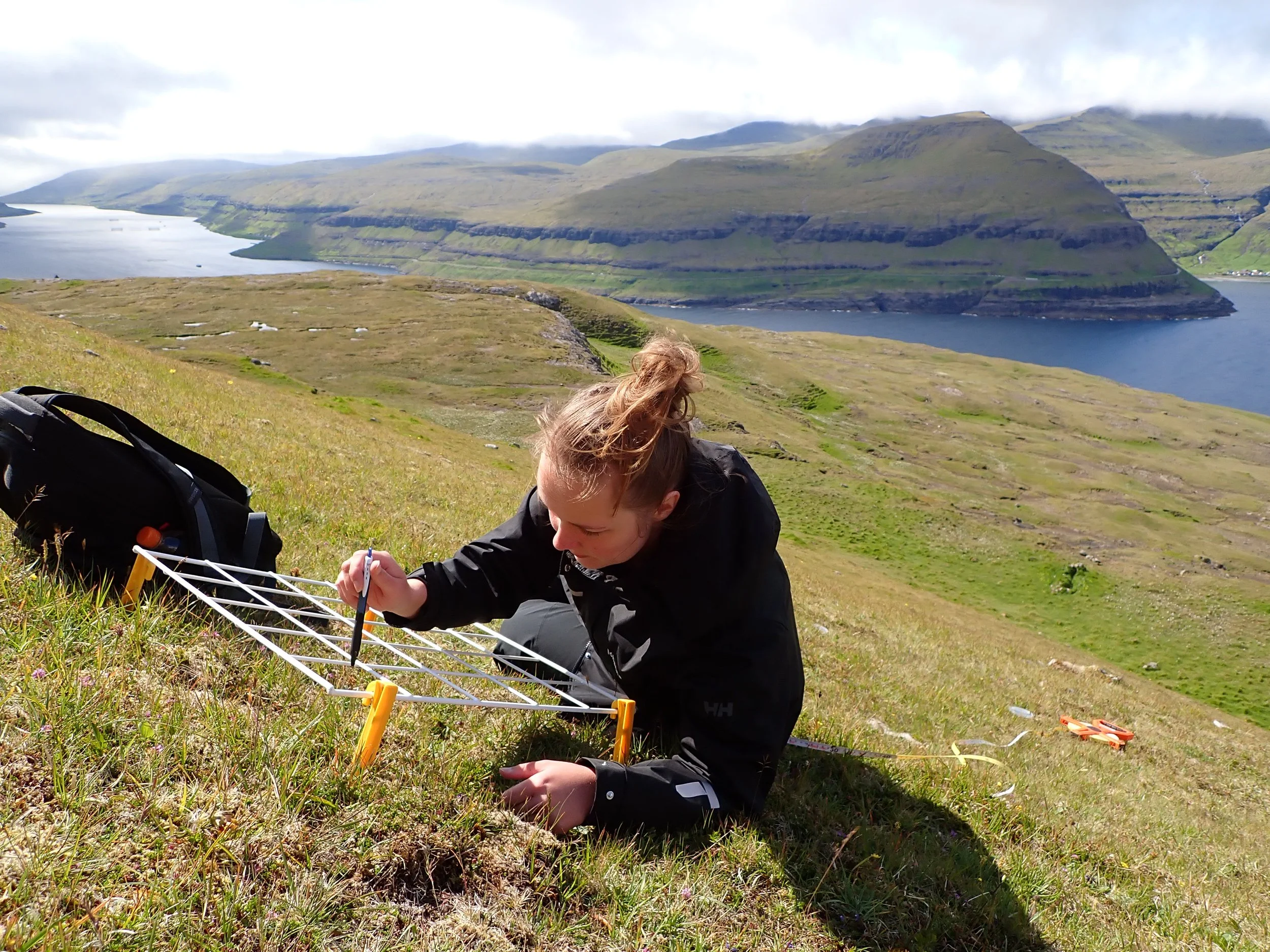
Standardized monitoring methods with plot-based design
KOLTUR - CORE SITE FOR TERRESTRIAL MONITORING
Nature and culture protected area with limited sheep grazing
Biodiversity on the island monitored since 2019
Studies of grazing impact and natural succession
520 species of plants and animals recorded from the island
FRESHWATER MONITORING
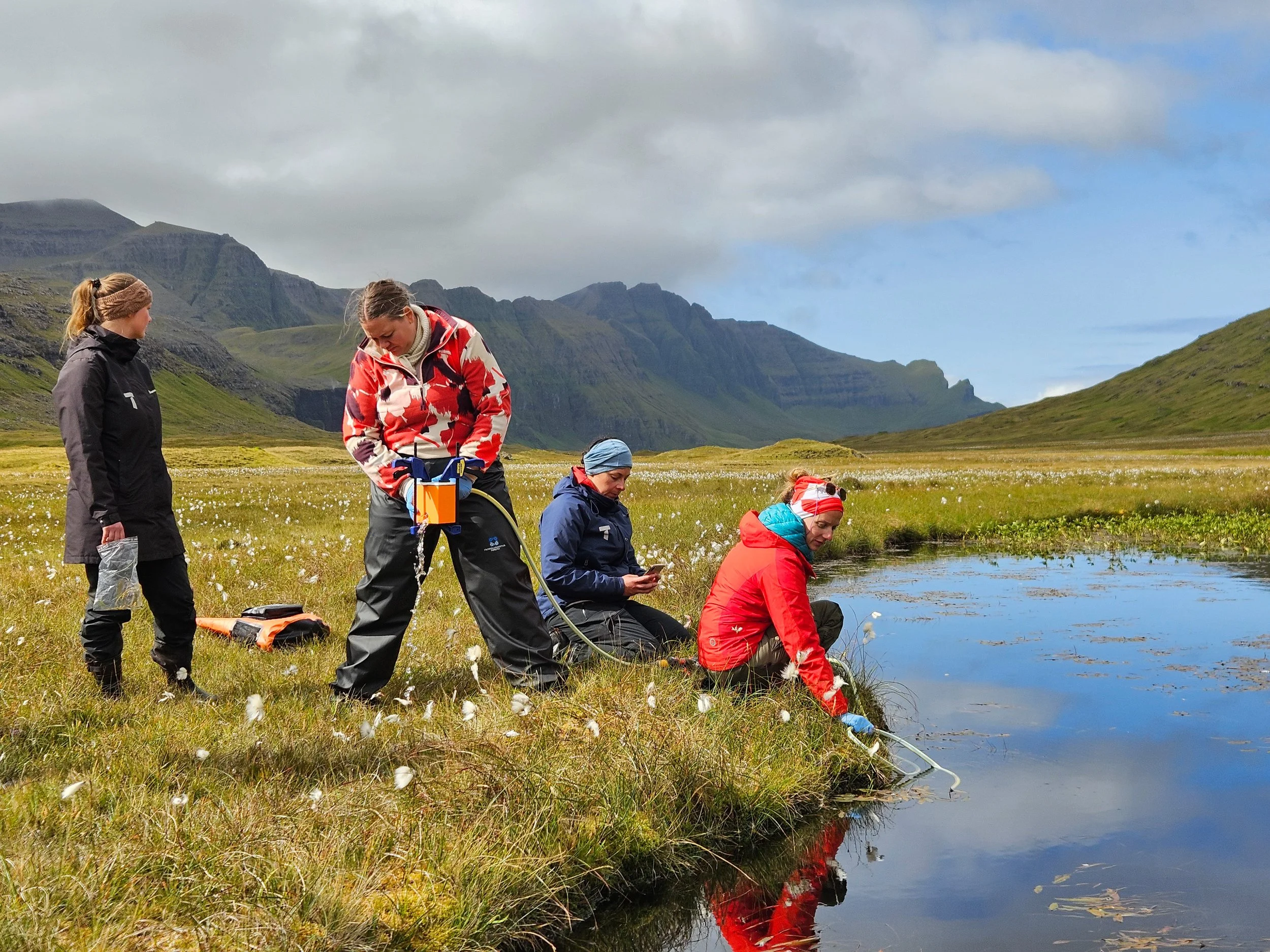
Four freshwater monitoring sites
Fjallavatn (Vágar)
Toftavatn (Eysturoy)
Leynavatn (Streymoy)
Saksunarvatn (Streymoy)
Temperature profile at deepest part of lake
Macrophytes and Chironomidae pupal exuviae collected from the shore
eDNA for diversity of fish, phytoplankton, invertebrates and microbes
Samband

